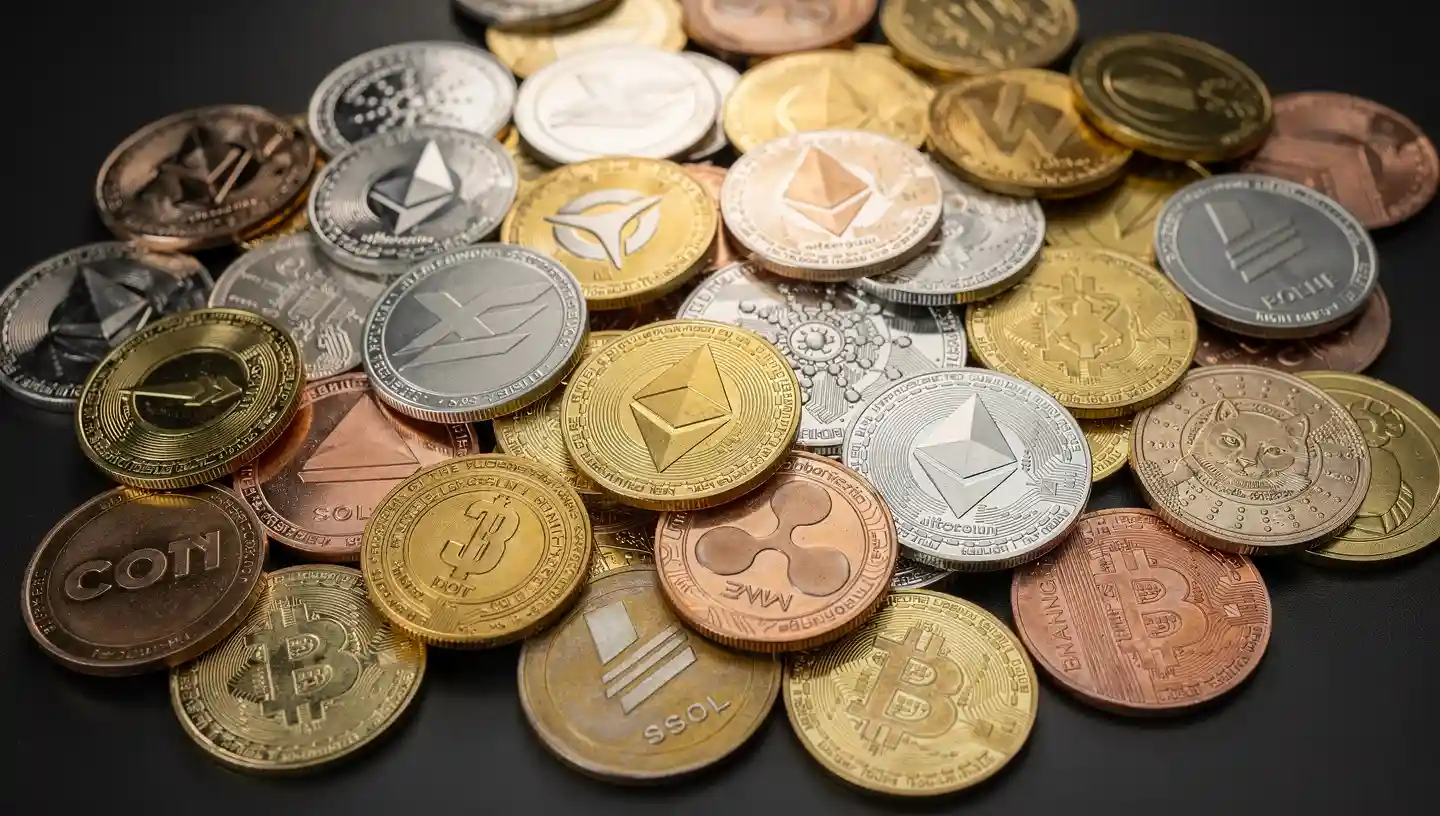
Altcoins are all cryptocurrencies other than Bitcoin. The name is short for “alternative coin,” and it covers everything from the second-largest cryptocurrency by market cap down to coins that were launched as jokes and still trade today. Ethereum, Litecoin, Dogecoin, XRP, Solana, Tether are all altcoins. At the time of writing, Bitcoin accounts for roughly 60% of the total crypto market cap, which means more than 40% of the market sits in altcoins.
The first altcoins appeared in 2011. Early ones were mostly attempts to improve on Bitcoin’s transaction speed or energy use. More recent ones serve entirely different purposes: running smart contracts, maintaining stable prices, or giving holders a vote in how a protocol operates. “Altcoin” describes what something is not, not what it is. That is why the label covers assets that behave nothing alike.
Where the word altcoin comes from
The word is a combination of “alternative” and “coin.” When Bitcoin launched in 2009, it was the only cryptocurrency. As more coins appeared after 2011, the community needed a term to describe everything that was not Bitcoin. “Altcoin” stuck. Some definitions have since expanded to exclude Ethereum as well, treating it as a separate category alongside Bitcoin because of its size and the fact that so many other tokens are built on top of it. Most sources still treat Ethereum as an altcoin, though, and that is the definition used here.
To understand why altcoins exist at all, it helps to know what Bitcoin was originally designed to do. For that background, read our guide on what is Bitcoin.
The first altcoin
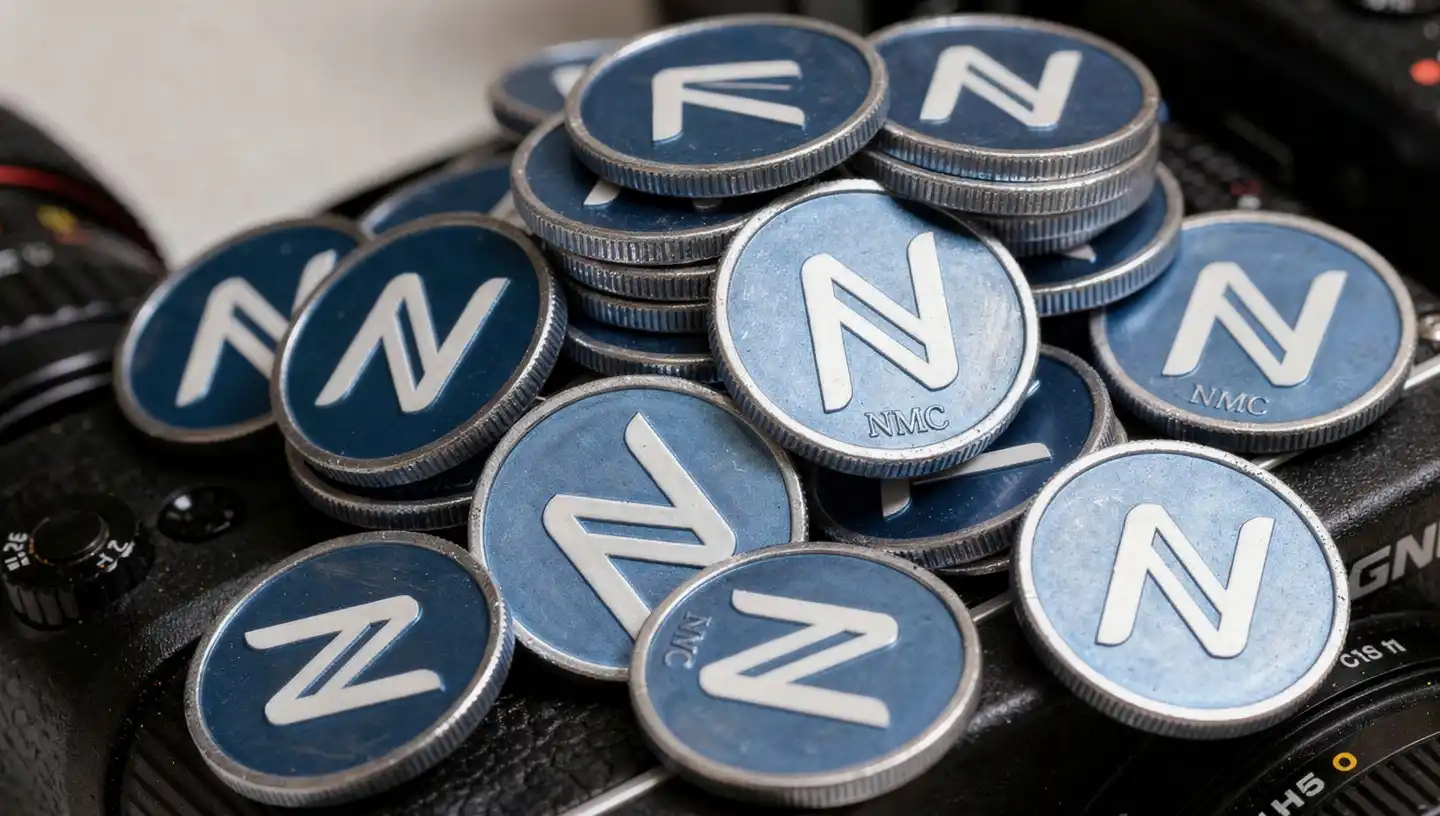
Namecoin (NMC) was released in April 2011 and is widely recognized as the first altcoin. It was based on Bitcoin’s code and shared the same maximum supply of 21 million coins. Namecoin introduced .bit web domains, which allowed users to register domain names in a way that was resistant to censorship and did not rely on central registrars. It never gained wide adoption, but it proved the concept that Bitcoin’s codebase could be modified and redeployed for different purposes.
Litecoin followed in October 2011, created by former Google engineer Charlie Lee. It cut Bitcoin’s 10-minute block time down to 2.5 minutes and increased the maximum supply to 84 million coins. Litecoin became one of the most traded cryptocurrencies for years and is still active today. Some in the community called it the silver to Bitcoin’s gold.
Types of altcoins
Altcoins fall into several categories based on what they are designed to do. Many altcoins fit into more than one category at the same time. Ether (ETH), for example,, functions as both a utility token and the native coin of a smart contract platform.
Stablecoins
Stablecoins are designed to maintain a stable value by pegging their price to another asset, most commonly the U.S. dollar. The issuer holds reserves to back the peg and takes steps to correct the price if it drifts. Because the value is meant to stay fixed, stablecoins are not typically bought as investments. People use them to send money, hold savings in crypto without exposure to price swings, or move funds between exchanges quickly.
The three largest stablecoins are Tether (USDT), USD Coin (USDC), and DAI. USDT and USDC are backed by cash and cash equivalents held in reserve. DAI is backed by other cryptocurrencies locked in smart contracts on the Ethereum network. Not all stablecoins have held their peg. In May 2022,, the algorithmic stablecoin TerraUSD lost its dollar peg within days and collapsed, wiping out an estimated $60 billion in market value.
Utility tokens
Utility tokens give holders access to a service or function within a specific blockchain network. They are not investments in the traditional sense; they are designed to be used. Ether (ETH) is the most prominent example. Users pay ETH as a fee to execute smart contracts and transactions on the Ethereum network. Without ETH, nothing runs. Filecoin (FIL) works the same way but for decentralized file storage, and holders use it to buy storage space on the network.
Governance tokens
Governance tokens give holders a vote on decisions that affect a protocol. Token holders can propose and vote on changes to rules, fees, or how a project’s treasury is spent. This mechanism keeps decision-making decentralized rather than concentrated in a small team. Uniswap (UNI) is one of the most widely held governance tokens. UNI holders vote on changes to the Uniswap decentralized exchange.
Meme coins
Meme coins are driven by community interest, online attention, and speculation rather than technical utility. Dogecoin (DOGE) launched in December 2013 as a joke based on the “Doge” internet meme. Its founders, Billy Markus and Jackson Palmer, did not expect it to last. It did, and by 2021, partly through sustained promotion by Elon Musk, Dogecoin reached a market cap of over $80 billion.
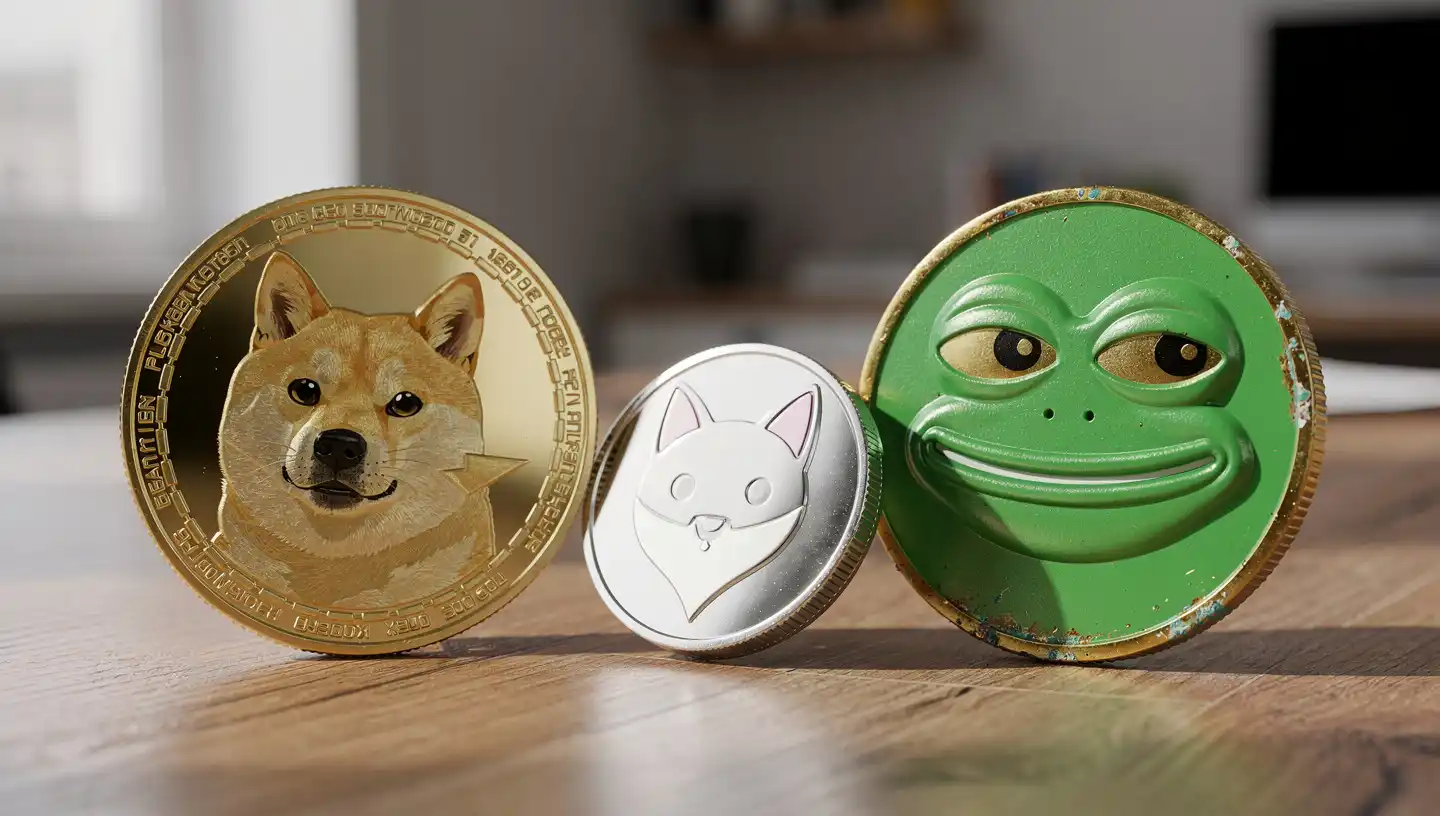
Shiba Inu (SHIB) followed as another meme coin that attracted a large speculative following. Meme coins are high-risk assets. Many have lost 90% or more of their value within months of peak hype.
Security tokens
Security tokens represent ownership of an external asset, similar in concept to a share in a company or a stake in real estate. They are issued through Security Token Offerings (STOs) and are generally subject to securities regulations in the jurisdictions where they are sold. Examples include tokens that distribute a portion of trading fees to holders, such as those issued by some decentralized trading platforms.
Mining-based altcoins
Some altcoins use the same proof-of-work mechanism as Bitcoin, requiring miners to solve mathematical problems to verify transactions and add new coins to the supply. Litecoin (LTC) and Bitcoin Cash (BCH) are mining-based altcoins. Mining requires significant energy, which has driven many newer projects toward alternative methods.
Staking-based altcoins
Proof-of-stake altcoins replace miners with validators who lock up, or stake, their coins as collateral to verify transactions. The protocol selects validators to process blocks and rewards them with new coins. Staking uses far less energy than mining. Ethereum switched from proof-of-work to proof-of-stake in September 2022. Cardano (ADA), Solana (SOL), and Tezos (XTZ) are examples of staking-based altcoins.
For a broader look at how the underlying technology behind all of these assets works, see our guide on what is blockchain.
Altcoin examples and what they do
| Altcoin | Ticker | Category | Main purpose |
|---|---|---|---|
| Ethereum | ETH | Smart contract platform / utility token | Runs decentralized applications and smart contracts |
| Tether | USDT | Stablecoin | Dollar-pegged coin for payments and trading |
| XRP | XRP | Payment / utility token | Fast, low-cost cross-border payments |
| Solana | SOL | Smart contract platform | High-speed, low-fee transactions and dApps |
| USD Coin | USDC | Stablecoin | Dollar-pegged coin backed by cash reserves |
| Dogecoin | DOGE | Meme coin | Community-driven, sometimes used for tips and payments |
| Cardano | ADA | Smart contract platform | Peer-reviewed blockchain for dApps and staking |
| Litecoin | LTC | Payment / mining-based | Faster, cheaper version of Bitcoin’s payment model |
| Uniswap | UNI | Governance token | Voting rights over the Uniswap decentralized exchange |
| Namecoin | NMC | Utility / payment | First altcoin; censorship-resistant .bit domains |
How altcoins are different from Bitcoin
Bitcoin was built to do one thing: allow people to send value directly to each other without a bank or other intermediary. Its design has stayed deliberately conservative. Changes to Bitcoin’s protocol happen slowly and require broad consensus from the network. That narrow focus protects its reliability, but it also leaves room for other networks to move faster and ship features Bitcoin was not designed to handle.
Altcoins differ from Bitcoin in several ways:
- Age and market share. Bitcoin launched in 2009. The first altcoins appeared two years later. Because of that head start, Bitcoin still holds roughly 60% of the total crypto market cap as of early 2025. All altcoins combined make up the remaining 40%.
- Purpose. Bitcoin’s primary job is to be a secure, peer-to-peer store of value. Altcoins vary widely in purpose: some handle smart contracts, some maintain stable prices, some give holders voting rights, and some exist mainly for speculation.
- Technology and consensus. Bitcoin uses proof-of-work. Many altcoins use proof-of-stake or other consensus methods that require less energy and confirm transactions faster. Ethereum processes a block roughly every 15 seconds; Bitcoin takes about 10 minutes.
- Supply and issuance. Bitcoin has a fixed maximum supply of 21 million coins. Many altcoins have different supply caps, some have no cap at all, and others use mechanisms like token burns to reduce circulating supply over time.
- Volatility. Bitcoin’s larger market cap and wider adoption mean its price tends to be less volatile than most altcoins. Smaller altcoins can swing dramatically on a single news event or social media post.
- Track record. Bitcoin has been running without a successful attack on its core protocol since 2009. Most altcoins are newer and have shorter histories to evaluate.
For a full explanation of how Bitcoin itself works at a technical level, read our guide on how Bitcoin works.
Altcoin season
Altcoin season, sometimes called altseason, is a period when altcoins, as a group, outperform Bitcoin. The informal definition used by some tracking tools is that altcoin season begins when 75% of the top 50 cryptocurrencies have outperformed Bitcoin over the previous 90 days.
During Bitcoin-dominant periods, capital tends to stay in BTC. When Bitcoin’s dominance falls, investors often rotate into altcoins looking for higher returns. The risk runs in both directions: altcoins tend to rise faster than Bitcoin when the market is moving up, and fall harder when it turns down. Most of the largest altcoin losses in history happened within months of their peaks.
Altcoins vs. Bitcoin: a quick comparison
| Bitcoin | Altcoins | |
|---|---|---|
| Launched | 2009 | 2011 onward |
| Market share | ~60% of total crypto market cap | ~40% combined |
| Primary purpose | Store of value, peer-to-peer payments | Varies widely by coin |
| Consensus | Proof of work | PoW, PoS, and others |
| Max supply | 21 million BTC | Varies, some have no cap |
| Block time | ~10 minutes | Seconds to minutes depending on network |
| Volatility | High, but lower than most altcoins | Generally higher |
| Track record | 16 years, no protocol-level breach | Varies, many are new |
Coins, tokens, and altcoins: what is the difference
These three terms are used interchangeably in most conversations, but they describe different things.
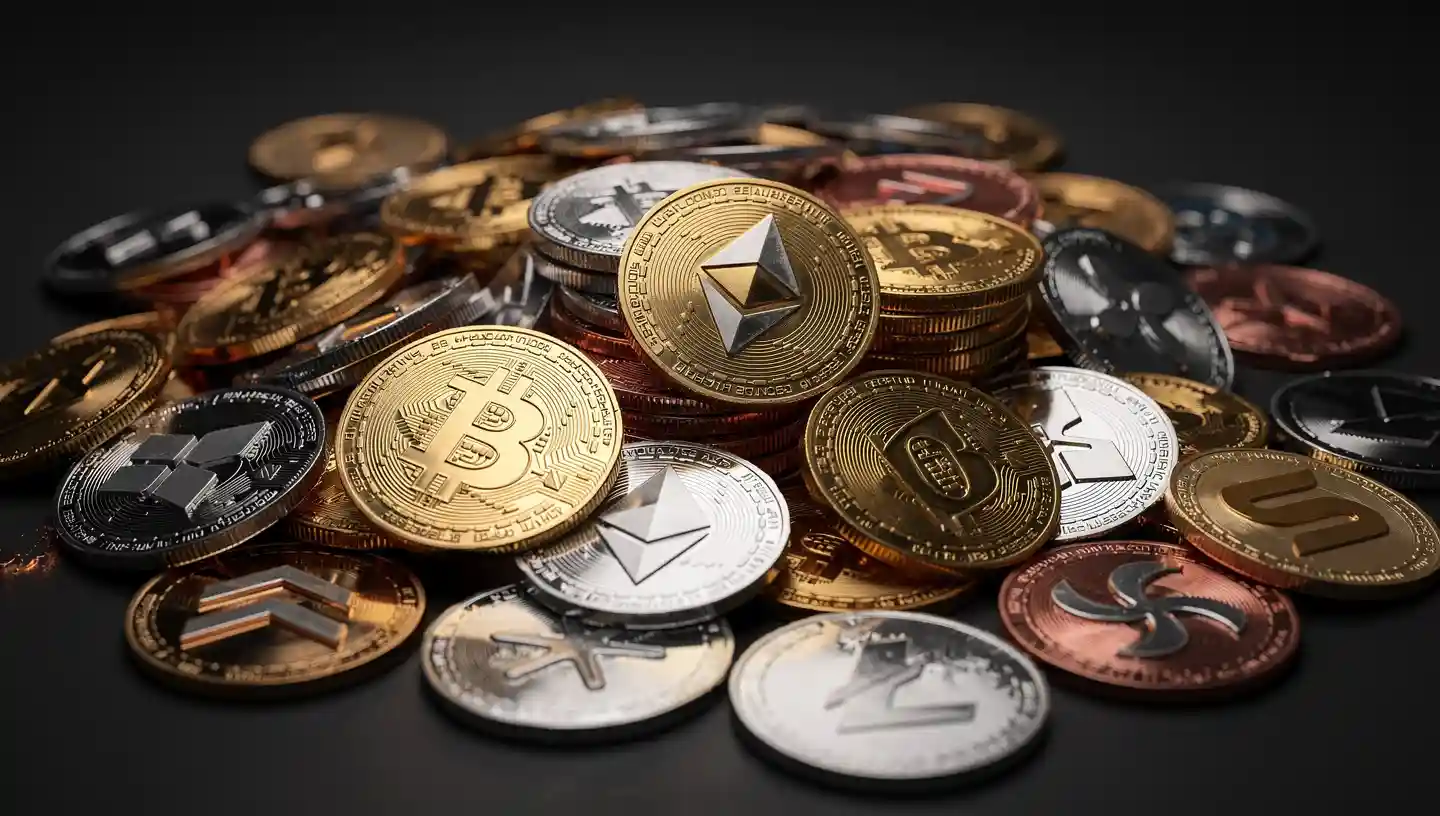
A coin is a cryptocurrency that runs on its own dedicated blockchain. Bitcoin is a coin. Ether is a coin. XRP is a coin. Each has its own standalone network that records and verifies its own transactions.
A token is a cryptocurrency or crypto asset that runs on another network’s blockchain rather than its own. Most tokens are built on Ethereum. USD Coin (USDC), for example, is a token that runs on the Ethereum blockchain. Most NFTs are also tokens running on Ethereum-based networks.
An altcoin is a market-level label that means “not Bitcoin,” and in some definitions, “not Bitcoin or Ethereum.” It tells you what something is not, not what it is. Both coins and tokens can be altcoins. The context in which the word is used matters more than the strict technical definition.
To understand how the cryptocurrency category as a whole is defined, see our guide on what is cryptocurrency.
Risks of investing in altcoins
Altcoins offer different risk and return characteristics from Bitcoin. A few things to keep in mind:
- Volatility. Altcoins with smaller market caps can lose 70-90% of their value in a bear market. Many never recover.
- Project failure. The large number of altcoins means many lack real utility or are outright fraudulent. Hundreds of projects have launched, attracted capital, and collapsed within months.
- Liquidity. Lesser-known altcoins may have thin trading volumes, making it difficult to buy or sell at a fair price during market stress.
- Regulatory risk. Some altcoins face scrutiny from governments and regulators. Securities regulators in several countries have taken action against token issuers. The rules around altcoins are still developing.
- Concentration risk. Insiders and early investors often hold large portions of an altcoin’s supply. They can sell at any time, putting downward pressure on the price.
Before buying any altcoin, reading the project’s white paper, checking the team’s background, and understanding the tokenomics, specifically how the supply is managed and who holds large amounts, is the basic starting point.
For context on how Bitcoin fits into the broader history of crypto, including why it remains the benchmark against which altcoins are measured, read our Bitcoin history page.
How altcoins relate to Bitcoin’s creator
Altcoins exist partly because Bitcoin’s creator left the door open. Satoshi Nakamoto published the Bitcoin white paper in October 2008 and released the network in January 2009. The code was open-source from the start. That meant anyone could copy it, modify it, and launch a new coin, which is exactly what Namecoin, Litecoin, and hundreds of others did in the years that followed.
Nakamoto stepped away from Bitcoin development in 2010 and has not been publicly active since. The open-source nature of the project meant development continued without its founder, and the same openness enabled the entire altcoin market to exist.
More on the story behind Bitcoin’s origins is in our piece on who created Bitcoin.
Frequently asked questions
What is an altcoin in simple terms?
An altcoin is any cryptocurrency that is not Bitcoin. The name stands for “alternative coin.” Ethereum, Dogecoin, Litecoin, and Tether are all altcoins. There are tens of thousands of altcoins, ranging from major networks with hundreds of billions in market cap to small projects with no real use case.
What was the first altcoin?
Namecoin, released in April 2011, is widely considered the first altcoin. It was based on Bitcoin’s code and introduced censorship-resistant .bit domain names. Litecoin followed later that year and became far more widely used.
Is Ethereum an altcoin?
By the most common definition, yes. Ethereum is an altcoin because it is not Bitcoin. Some in the crypto community treat Bitcoin and Ethereum as separate categories and define altcoins as everything other than both. Most exchanges and data providers still list Ethereum as an altcoin.
What is the difference between a coin and a token?
A coin runs on its own dedicated blockchain. Bitcoin, Ether, and XRP are all coins. A token runs on another network’s blockchain rather than its own. Most tokens are built on Ethereum. Both coins and tokens can be altcoins.
What is altcoin season?
Altcoin season is a period when altcoins as a group outperform Bitcoin. It is often defined as when 75% of the top 50 cryptocurrencies have beaten Bitcoin’s returns over the previous 90 days. It tends to happen when Bitcoin’s market dominance falls and investors rotate into smaller assets seeking higher returns.
Are altcoins riskier than Bitcoin?
Generally, yes. Altcoins tend to be more volatile than Bitcoin, have shorter track records, and are more likely to fail entirely. Many altcoin projects have attracted investment and then collapsed. Bitcoin has a 16-year history without a breach of its core protocol, which gives it a track record no altcoin can currently match.
How many altcoins are there?
The number changes constantly as new coins launch and others stop trading. Estimates range from several thousand active altcoins to over 10,000 if you include dormant projects. CoinGecko listed almost 1,700 cryptocurrencies in active circulation as of mid-2025.
What are the biggest altcoins by market cap?
As of early 2025, the largest altcoins by market cap are Ethereum (ETH), Tether (USDT), XRP, Solana (SOL), USD Coin (USDC), Dogecoin (DOGE), Cardano (ADA), and Binance Coin (BNB). Rankings shift regularly based on price movements.